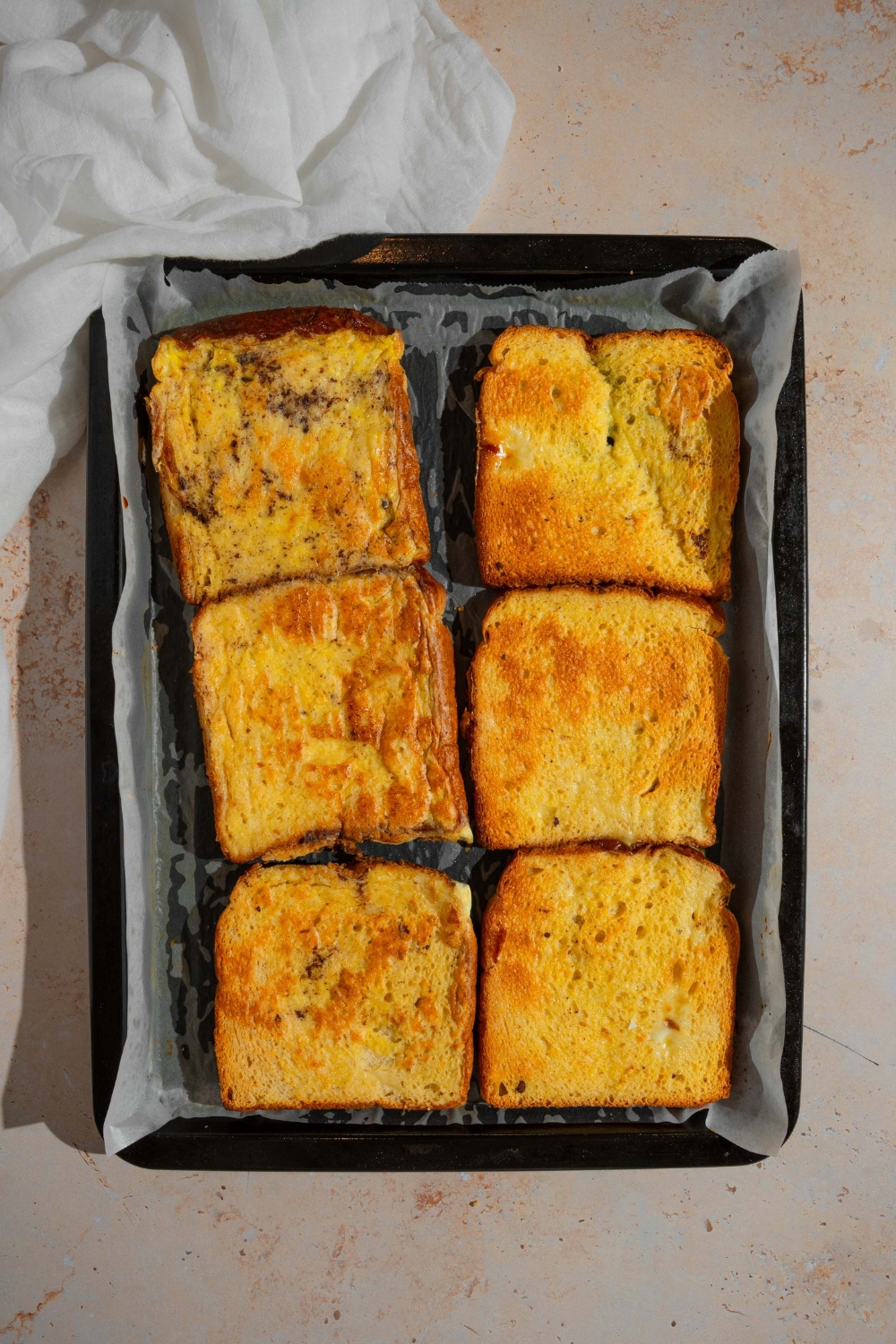
Achieve Perfect Sheet Pan French Toast: Crispy Outside, Custardy Inside
Forget the frantic morning flipping, the stacks of cold, deflated slices, and the chef always eating last. Imagine a breakfast where golden-brown, perfectly cooked French toast emerges from the oven, ready to be devoured by everyone at the same time. This isn't a dream – it's the reality of **sheet pan French toast**, a breakfast game-changer that promises a delightfully crispy exterior and a rich, custardy interior with minimal fuss.
Traditional stovetop French toast, while charming, often comes with its share of challenges. You're tethered to the pan, constantly monitoring, flipping, and battling for consistency. Batches get cold while you cook the next, and the designated cook rarely gets to enjoy their meal alongside their family. Enter the humble sheet pan, transforming this breakfast classic into a hands-off, oven-baked marvel. By leveraging the even heat of your oven, you can prepare enough slices for a hungry family or a brunch crowd simultaneously, ensuring every piece is infused with flavor and cooked to perfection. The result? A stress-free morning and a truly indulgent meal where every bite is a harmonious blend of sweet, spiced warmth and satisfying texture.
Why Sheet Pan French Toast is Your New Breakfast Game-Changer
The allure of **sheet pan French toast** lies in its unparalleled convenience and consistent results. It’s a total breakfast revolution, especially when you’re feeding more than just one or two people. If you're tired of the endless cycle of frying, flipping, and serving, this method will quickly become your go-to.
Firstly, the most significant advantage is the ability to cook a large batch all at once. A standard half-sheet pan can comfortably hold 4-6 thick slices, and if you have multiple oven racks, you can easily double or triple that amount, making it ideal for family breakfasts, holiday brunches, or even meal prepping for the week. This means no more staggered serving times; everyone gets to enjoy their hot, fresh French toast together.
Secondly, the oven does all the heavy lifting. Once your bread is dipped and arranged, it's a hands-off baking experience. This frees you up to prepare other breakfast accompaniments, brew coffee, or simply relax and enjoy the morning. There's no worrying about uneven cooking, scorching, or that dreaded moment when a slice sticks and tears. The oven's consistent heat ensures each piece bakes beautifully, developing that desirable golden crust without constant vigilance. For a deeper dive into how this method transforms your breakfast routine, explore
Sheet Pan French Toast: Your New Hassle-Free Breakfast Game Changer. It truly is a hassle-free, mess-free solution that delivers maximum flavor with minimum effort.
Crafting the Perfect Custard: Ingredients & Tips for Success
The secret to achieving that coveted crispy-outside, custardy-inside texture with your **sheet pan French toast** starts with selecting the right ingredients and mastering the custard base.
- The Bread: Foundation of Flavor and Texture
The type and thickness of your bread are paramount. Opt for sturdy loaves that can absorb the rich custard without becoming soggy or falling apart. Texas toast, brioche, challah, or a good quality Italian loaf are excellent choices. Brioche, with its buttery richness, lends itself beautifully to a decadent finish, while challah offers a slightly chewier texture. Aim for slices that are **½ to ¾ inch thick**. Thinner slices risk burning before the interior cooks through, while overly thick slices might remain doughy in the center. A unique tip: day-old or slightly stale bread is often preferred by professional chefs. Why? Because it's a bit drier, it can soak up more of the custard mixture without dissolving, leading to a richer, more flavorful result.
- The Custard: Richness and Aroma
The egg mixture forms the heart of your French toast. Eggs provide structure and richness, while a balance of milk and heavy cream creates the perfect custardy consistency. Using only milk might result in a less luxurious texture, whereas too much cream could make it overly heavy. A common ratio might involve a few large eggs, a cup of milk, and a quarter to a half-cup of heavy cream or half-and-half. For easier whisking and a smoother custard, bring your eggs to room temperature before mixing.
- Flavor Infusion: Spices and Extracts
Vanilla extract is a classic for its warm, sweet notes. However, don't be afraid to experiment! Maple extract can amplify that breakfast syrup flavor, while almond extract adds a sophisticated twist. Cinnamon and a touch of nutmeg are traditional spice additions, but you can swap nutmeg for allspice or cloves if you prefer, or embrace seasonal flavors with a pumpkin pie spice blend in the fall. For an extra layer of brightness, consider adding a pinch of orange or lemon zest to your custard – its oils will infuse a subtle, fragrant lift that beautifully complements the sweetness.
The Sheet Pan Secret: Baking for Optimal Texture
The transition from stovetop to oven is where the magic truly happens for **sheet pan French toast**. Proper preparation of your pan and understanding the baking process are key to achieving that desirable crispy-outside, custardy-inside perfection.
- Pan Preparation: The Unsung Hero
Here's a crucial tip that sets **sheet pan French toast** apart: **do NOT line your sheet pan with parchment paper.** While parchment is often lauded for its non-stick properties, in this application, it can actually cause the French toast to stick and potentially become soggy on the bottom, preventing that beautiful golden crust from forming. Instead, use a generous amount of **melted butter**. Swirl it around to ensure the entire surface of the pan is evenly coated. This creates a non-stick barrier and contributes to the overall rich flavor and golden-brown caramelization. Steer clear of cooking sprays, as they can burn at high oven temperatures, leaving a sticky residue that’s incredibly difficult to clean and can even damage your bakeware over time.
- Soaking and Arranging: The Art of Absorption
Once your custard is ready, it's time to dip the bread. Don't rush this step. Allow each thick slice to soak for a good 20-30 seconds per side, ensuring it's thoroughly saturated but not disintegrating. The goal is complete flavor absorption without making the bread flimsy. Carefully arrange the soaked slices on your prepared sheet pan, leaving a little space between them for even cooking and air circulation. This slight separation encourages the edges to crisp up beautifully.
- Baking to Perfection: Golden Brown and Delicious
Preheat your oven to the recommended temperature (typically around 375-400°F or 190-200°C). The higher heat helps achieve that beautiful golden-brown exterior and crispy edges. Bake for approximately 15-20 minutes, or until the French toast is puffed, golden, and cooked through. Ovens can vary, so keep an eye on it. For extra crispiness, you might even consider a quick broil for the last minute or two (watch carefully to prevent burning!). This hands-off baking method is what makes it an "easy" and "no-flipping" solution for feeding a crowd, as highlighted in Easy Sheet Pan French Toast: Bake for a Crowd, No Flipping.
Next-Level Flavor & Serving Suggestions
While delicious on its own, **sheet pan French toast** is a fantastic canvas for additional flavors and toppings. For an extra layer of sweetness and a delightful crunch, consider sprinkling both sides of your soaked bread with a cinnamon-sugar mixture before baking. The sugar will caramelize in the oven, adding depth and texture.
When it comes to serving, the possibilities are endless:
- Classic Sweetness: A generous dusting of powdered sugar or a drizzle of warm maple syrup (or both!) is always a winner.
- Fresh & Fruity: Brighten your plate with a handful of fresh berries – strawberries, blueberries, raspberries, or sliced bananas add natural sweetness and vibrant color.
- Creamy Indulgence: A dollop of freshly whipped cream takes it to another level of luxury.
- Nutty Crunch: Chopped nuts like pecans, walnuts, or almonds add a satisfying crunch and earthy flavor.
- Decadent Drizzles: Experiment with chocolate sauce, caramel sauce, or a fruit compote for an extra special treat.
Smart Prep for Busy Mornings (Make-Ahead Tips)
One of the best features of **sheet pan French toast** is its adaptability to make-ahead preparation, perfect for busy weekday mornings or stress-free holiday entertaining.
- Custard Mixture: Whisk together your egg, milk, cream, and flavorings the night before. Store it covered tightly in the refrigerator. In the morning, give it another good whisk to re-incorporate everything before dipping your bread.
- Cinnamon-Sugar Blend: Mix your cinnamon and sugar ahead of time and keep it in an airtight container, ready for sprinkling.
- Bread Preparation: You can even slice your bread the evening before to save a few minutes in the morning rush.
These small steps can significantly reduce your morning prep time, allowing you to enjoy a freshly baked breakfast with minimal effort when the sun rises.
**Sheet pan French toast** truly revolutionizes the breakfast experience. By embracing the oven, you eliminate the hassle of traditional frying, allowing you to feed a crowd with ease and enjoy a harmonious meal alongside your loved ones. From selecting the perfect thick-cut bread to infusing a rich, spiced custard and expertly baking it to golden perfection, every step contributes to a breakfast that is both incredibly simple to prepare and utterly delicious to eat. So, ditch the stovetop stress and prepare to savor every bite of this crispy-outside, custardy-inside delight. Give **sheet pan French toast** a try – your mornings (and your taste buds) will thank you!