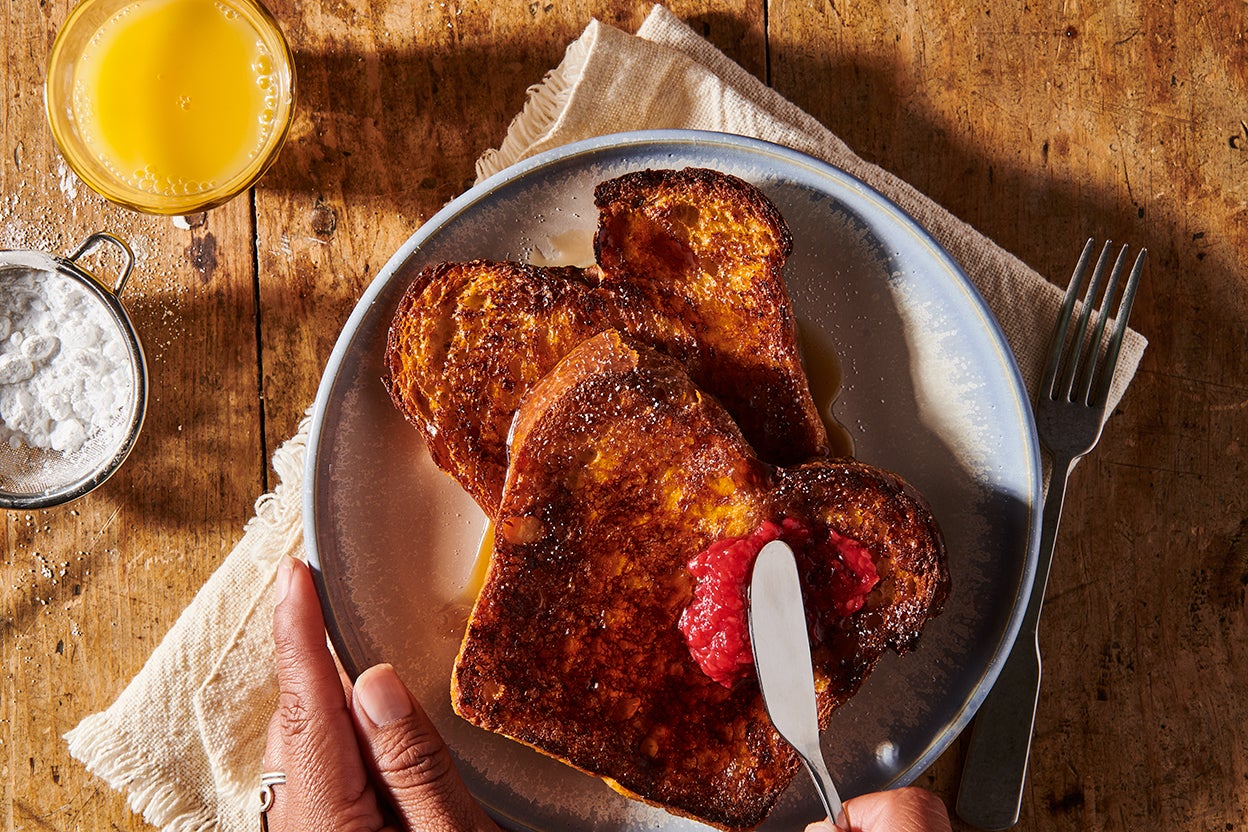
Say Goodbye to Flipping: The Sheet Pan French Toast Revolution
Imagine this: a bustling morning, the aroma of sweet vanilla and cinnamon filling your kitchen, and a golden-brown breakfast classic ready for everyone at the same time. No more standing over a hot stove, frantically flipping individual slices while the first batches grow cold and sad. This isn't a dream – it's the magic of Sheet Pan French Toast, your new go-to for hassle-free, utterly delicious mornings.
For years, French toast has been a beloved breakfast staple, evoking cozy childhood memories and indulgent weekend brunches. Yet, the traditional method often comes with a hidden cost: one person, the designated "flipper," sacrificing their mealtime to ensure everyone else gets a warm, perfectly cooked slice. By the time the last piece is done, the initial ones are often deflated and cool. This revolutionary oven-baked approach changes everything. With sheet pan french toast, you can bake an entire batch, or even multiple batches on different racks, simultaneously. It’s a true game-changer for holidays, family gatherings, or simply making a weekday morning feel a little more special without the added stress.
The beauty of this method lies in its simplicity and efficiency. You get that same beloved crisp exterior, the soft, custardy interior, and the irresistible sweet flavor profile – all without the mess of frying or the constant attention required by a griddle. It's truly a breakfast revelation that allows everyone, including the cook, to savor a fresh, warm meal together. Just like the convenience found in sheet pan pancakes or eggs, this version delivers on ease and flavor.
The Secret to Perfection: Choosing Your Ingredients Wisely
Selecting the Star: Your Bread Choice
The foundation of any great French toast is the bread, and for sheet pan french toast, this choice is even more critical. You're looking for a sturdy loaf with a good crumb structure that can stand up to soaking without disintegrating, and that will achieve that ideal crispy-outside, chewy-inside texture. Aim for slices that are about ½ to ¾ inch thick. Thinner slices risk falling apart or burning before the custard is cooked through, while overly thick slices might remain too doughy in the center.
- Brioche: This rich, buttery bread is a classic for a reason. Its high fat and egg content lends itself beautifully to absorbing the custard while retaining its shape and developing a luxurious texture.
- Challah: Similar to brioche, challah is an egg-rich bread that offers a dense yet tender crumb, perfect for soaking up flavor and achieving a golden finish.
- Texas Toast: Pre-sliced to the ideal thickness, Texas toast is a convenient and reliable option that provides ample surface area for crispiness.
- Italian or French Loaf: A day-old crusty Italian or French loaf works wonderfully, offering a chewier texture. Just ensure the slices are consistently thick.
- Cinnamon Swirl Bread: For an extra layer of warmth and spice, using a cinnamon swirl loaf will infuse every bite with delightful flavor without needing to add extra cinnamon to the bread itself.
Avoid standard sandwich bread, as it tends to be too thin and flimsy, quickly becoming soggy and difficult to handle.
Crafting the Custard: Flavor and Texture
The custard is where the magic truly happens, transforming simple bread into a decadent breakfast treat. Getting the balance right is key to preventing soggy French toast while ensuring maximum flavor absorption.
- Eggs: These are the backbone of your custard, providing richness and helping the bread achieve its custardy texture. For the smoothest, most homogenous mixture, consider bringing your eggs to room temperature before whisking. This allows them to integrate more easily with the other liquids.
- Milk and Cream: A blend of milk and heavy cream (or half-and-half) is ideal. The cream adds unparalleled richness and helps achieve a velvety texture, while the milk lightens it slightly. While all milk can work, the texture might be slightly less indulgent.
- Vanilla Extract: A non-negotiable for that classic, comforting French toast aroma and sweetness. For a twist, maple extract can enhance the syrupy notes, or even a splash of almond extract for a nutty undertone.
- Spices: Cinnamon is a must, providing warmth and depth. Nutmeg perfectly complements cinnamon, but if you're not a fan, try a pinch of allspice or cloves. In the fall, a pumpkin pie spice blend can instantly evoke seasonal cheer.
- Optional Enhancements: A tiny pinch of salt can actually enhance the sweetness of the custard. For a brighter note, a touch of orange zest can add a subtle citrusy lift.
Whisk all custard ingredients thoroughly until well combined and slightly frothy. This ensures even flavor distribution in every delicious bite.
Mastering the Bake: Tips for Flawless Sheet Pan French Toast
Pan Preparation: The Unsung Hero
The way you prepare your sheet pan is crucial for achieving that perfect golden crust and preventing sticking. While it might seem counterintuitive, do not line your sheet pan with parchment paper for sheet pan french toast. The slices tend to stick to the paper, and you miss out on the direct contact with the hot metal that creates the desirable crispy bottom.
Instead, use melted butter. Generously coat the bottom and sides of your sheet pan by pouring a small amount of melted butter and swirling it around until the entire surface is evenly covered. Butter not only prevents sticking but also contributes to that beautiful golden-brown color and rich flavor. Avoid cooking sprays, as they can burn at high temperatures, create a sticky residue, and potentially damage your pan's finish over time.
Achieving the Ideal Soak and Bake
Once your custard is ready and your pan is prepped, it's time to soak your bread. The key is to allow sufficient absorption without turning the bread to mush. Dip each slice individually, ensuring both sides are fully coated. Let the bread soak for about 15-20 seconds per side, depending on the density of your loaf. You want it saturated but still holding its form.
Carefully arrange the soaked bread slices in a single layer on your prepared sheet pan, ensuring they don't overlap. Before baking, a generous dusting of cinnamon sugar over the top of each slice is highly recommended. This layer not only adds extra sweetness but also helps create a delightful crunchy texture as it caramelizes in the oven. For optimal results, preheat your oven to the recommended temperature (typically around 375-400°F or 190-200°C) and bake until the French toast is golden brown, puffed, and cooked through, usually around 15-20 minutes. Keep an eye on it, as oven temperatures can vary.
Elevate Your Breakfast: Creative Toppings and Make-Ahead Magic
The beauty of sheet pan french toast extends beyond its ease of preparation; it also serves as a fantastic canvas for creative toppings. While a simple dusting of powdered sugar and a drizzle of maple syrup are always perfect, don't hesitate to get adventurous!
- Fresh Berries and Cream: A classic pairing! Strawberries, blueberries, raspberries, or a mixed berry medley, complemented by a dollop of freshly whipped cream, add freshness and a beautiful pop of color.
- Nutty Crunch: Sprinkle with chopped pecans, walnuts, or almonds after baking for added texture and a rich, earthy flavor. A light toast of the nuts before sprinkling can amplify their taste.
- Fruit Compotes and Sauces: Beyond maple syrup, consider warm apple compote, a vibrant cherry sauce, or even a luscious caramel drizzle.
- Chocolate Delights: A scattering of chocolate chips (milk, dark, or white) can melt slightly into the warm French toast, creating a sweet, indulgent treat.
- Savory Swirls (for the adventurous!): While less common, a sprinkle of cooked, crumbled bacon or sausage alongside the sweet toppings can create a delightful sweet-and-savory contrast.
Make-Ahead Magic
One of the biggest advantages of this recipe is its make-ahead potential, further solidifying its status as a breakfast game-changer. You can whisk together the egg custard mixture the night before. Store it covered in the refrigerator. In the morning, give it a quick whisk again before dipping your bread. Similarly, you can pre-mix your cinnamon sugar topping. Having these components ready to go means a truly effortless morning, allowing you to simply dip, bake, and serve. This foresight makes sheet pan French toast ideal for busy weekdays or when hosting a brunch and wanting to minimize morning-of prep work.
Conclusion: Embrace the Ease and Indulgence
Sheet pan French toast isn't just another breakfast recipe; it's a culinary hack that transforms a beloved classic into an effortlessly elegant meal. It solves the perennial problem of cold batches and stressed cooks, allowing everyone to gather around the table and enjoy a warm, delicious breakfast simultaneously. From the perfectly crispy, cinnamon-sugar kissed exterior to the soft, custardy center, every bite is a testament to its genius. So, liberate yourself from the griddle, embrace the convenience of your oven, and elevate your breakfast game forever. Once you try sheet pan french toast, you'll wonder how you ever made it the old way.
